
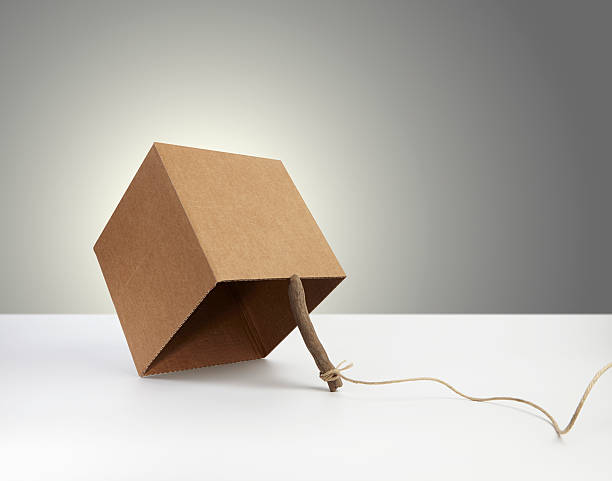
Setting traps to catch animals is one of the best ways to get food when you're out in the wilderness. When food is scarce and you're trying to survive, the last thing you want to do is burn a lot of calories. This is why traps are such an effective method of capturing wild game. Once the traps are set, you can simply sit back and wait for something to fall into them without wasting any calories.

The key to success when using traps for wild game is to use a variety of traps; you can't rely on just one. You will frequently be required to set multiple traps in the hopes of catching just one animal. Traps, in general, only work if an animal happens to come across them, so if you want to increase your chances of success, you should set several traps in different areas.
When looking for places to set your traps, look for evidence that animals have been there and frequent the area. Tracks and trails in the vegetation that animals use to get around are one of the best places to look. Animals frequently use the same trails to get back and forth from where they sleep to where they feed and drink. This makes these trails ideal for a trap because you know they'll return. Animal droppings, nesting sites, and chewed vegetation are also signs of animal activity in the area.
Another thing to keep in mind is that you must mask your scent in the area around your traps. Most animals have an acute sense of smell, and even the faintest scent of humans will frighten them and cause them to avoid the area where your traps are set. It's a good idea to cover your hands in mud before handling your traps. For the best results, use rotting vegetation-infested mud. Smoke is another effective way to mask your scent. Make a small fire and add some green vegetation to create smoke, which you can then blow on and around your traps.
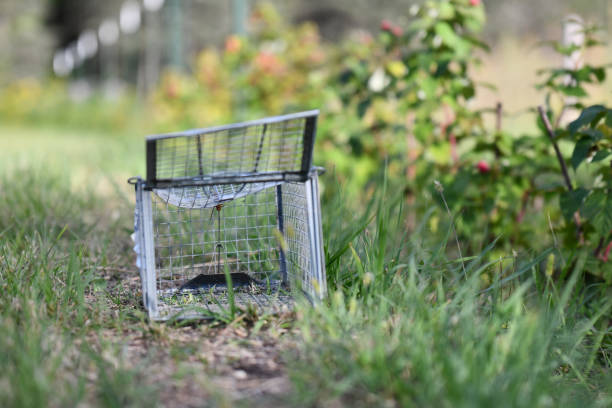
The snare trap is probably the most common and easiest to set up trap. Snare traps are made of a single piece of wire or string that has a loop on one end. Simply thread the other end of the wire through the loop and secure it to a fixed position, such as a tree branch.
What you've essentially made is a noose. When an animal tries to run through the noose, its body pulls on it, closing the noose around the animals' necks and entangles or chokes them.
This is why snare traps are best used on animal trails and runs. Animals frequently run back and forth on these trails, right into your trap. Place thick branches and sticks in the ground around and leading up to your trap to create a hallway effect, guiding animals into your trap and denying them the option of going around it.
Comments
Post a Comment